
When you're locked out of your home at midnight or notice your door lock isn't functioning properly, you face a crucial decision: should you attempt a DIY fix or call a professional locksmith? With countless YouTube tutorials and hardware stores seemingly offering quick solutions, it's tempting to save money and tackle lock issues yourself. However, security is not an area where shortcuts typically pay off. Understanding the genuine differences between DIY approaches and professional locksmith services can save you time, money, and potentially prevent serious security vulnerabilities in your property.
Understanding the Scope of Locksmith Services
Before diving into the DIY versus professional debate, it's essential to understand what modern locksmith services actually encompass. Many people still think of locksmiths solely as professionals who help you get back into your home when you've lost your keys. However, the locksmith industry has evolved significantly with advancing technology and security needs.
Professional locksmiths today handle everything from traditional lock installations and repairs to sophisticated electronic access control systems, smart lock programming, master key system development, and comprehensive security assessments. They work with residential properties, commercial buildings, automotive security systems, and specialised high-security installations.
When searching for "key copy near me" or "minute key near me," you're accessing just one small fraction of what professional locksmith services offer. While key duplication might seem straightforward, even this service requires proper equipment, knowledge of key types, and understanding of security implications.
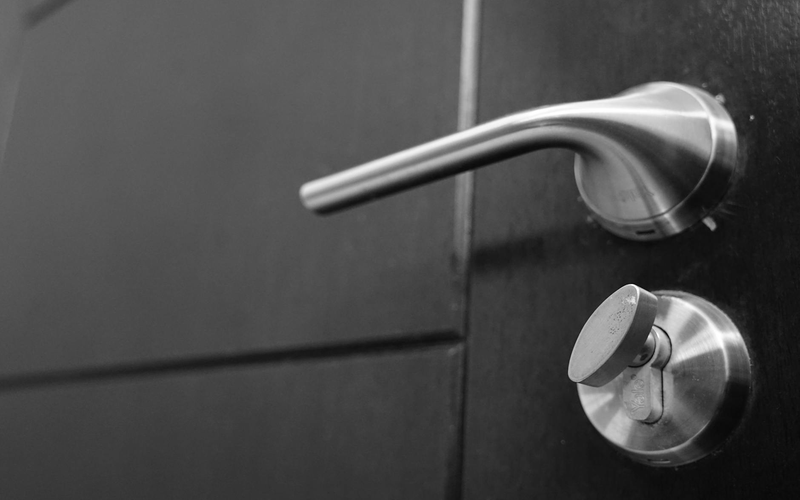
When DIY Lock Solutions Make Sense
There are certainly situations where a DIY approach to lock-related issues can be appropriate and cost-effective. Understanding these scenarios helps you make informed decisions about when to tackle a project yourself.
Basic Lock Maintenance
Routine lock maintenance is one area where homeowners can safely handle tasks themselves. Lubricating locks with graphite powder, cleaning keyways, and tightening loose screws on door hardware are all straightforward maintenance tasks that require minimal tools and expertise. These preventative measures can extend the life of your locks and prevent more serious issues from developing.
Simple Key Duplication
For standard house keys without security features, using a self-service kiosk when searching for "minute key near me" can be perfectly adequate. These automated systems work well for basic key types and provide quick, affordable duplication. However, it's important to understand their limitations—they cannot duplicate high-security keys, transponder keys, or keys marked "do not duplicate" for security reasons.
Replacing Standard Door Hardware
If you're comfortable with basic tools and following instructions, replacing a standard doorknob or deadbolt on a pre-existing setup can be a reasonable DIY project. Home improvement stores sell complete lock sets with installation instructions, and the process typically involves removing old hardware and installing new components in existing holes.
Minor Adjustments
Adjusting strike plates, tightening hinges, or making small alignments to ensure doors close properly are tasks most homeowners can manage. These adjustments often solve issues with locks that seem to be malfunctioning when the actual problem is door alignment.
The Hidden Risks of DIY Locksmith Work
Whilst some lock-related tasks are suitable for DIY approaches, many situations carry risks that aren't immediately apparent to those without professional training. Understanding these risks is crucial for making informed decisions about your property's security.
Compromised Security
One of the most significant risks of DIY lock work is inadvertently compromising your property's security. Improperly installed locks may appear functional but can have vulnerabilities that experienced burglars recognise and exploit. The gap between a lock that "works" and one that provides genuine security is substantial.
Professional locksmiths understand security principles that go beyond basic functionality. They know how different lock grades perform, which installations meet insurance requirements, and how to identify potential weak points in your security setup.
Damage to Property
Attempting to pick a lock, force entry, or install hardware without proper knowledge frequently results in damage to doors, frames, and lock mechanisms themselves. What begins as an attempt to save money on a service call often escalates into costly repairs that far exceed what professional help would have cost initially.
Door frames, in particular, are easily damaged during DIY attempts. Drilling holes in incorrect locations, over-tightening screws that crack wood, or forcing misaligned components can compromise structural integrity and create security vulnerabilities.
Voided Warranties
Many lock manufacturers void warranties if installation or repairs are performed by anyone other than certified professionals. High-security locks, in particular, often require professional installation to maintain warranty coverage. Attempting DIY work on these systems can leave you without recourse if the lock fails or malfunctions.
Legal and Insurance Implications
In commercial settings, DIY lock work can create legal liabilities. Building codes and insurance policies often require that security hardware be installed by licensed professionals. Failing to meet these requirements can result in denied insurance claims, code violations, and potential liability if security failures lead to incidents.
When Professional Locksmith Services Are Essential
Certain situations absolutely require professional locksmith expertise. Recognising these scenarios helps prevent security vulnerabilities, property damage, and unnecessary expenses.
Emergency Lockouts
When you're locked out of your home, vehicle, or business, professional assistance is typically the safest and most cost-effective solution. Attempting to pick locks, force doors, or climb through windows risks injury, property damage, and potential legal issues if neighbours report suspicious activity.
A professional locksmith can gain entry quickly without damage, using specialised tools and techniques that preserve your locks and doors. This is particularly important for rental properties where you may be liable for damage caused by forced entry attempts.
High-Security Lock Installation
High-security locks, smart locks, and electronic access control systems require professional installation to function correctly and provide intended security benefits. These systems involve complex mechanisms, precise calibration, and often integration with other security components.
Professionals ensure that high-security locks are installed to manufacturer specifications, properly aligned, and tested thoroughly. They also programme electronic systems correctly and can integrate them with existing security infrastructure.
Master Key Systems
Designing and implementing master key systems requires extensive expertise in key control and hierarchical access. These systems allow different keys to access different areas whilst maintaining a master key for overall access—a complex arrangement that must be carefully planned and executed.
Improper master key system design creates security vulnerabilities and can be expensive to correct. Professional locksmiths use specialised software to design systems that meet your specific needs whilst maintaining security integrity.
Lock Rekeying
Rekeying locks—changing the internal pins so old keys no longer work—requires specialised tools and knowledge of lock mechanisms. Whilst DIY rekeying kits exist, the process demands precision and understanding of how different lock types function.
Professional rekeying ensures that locks function smoothly after the service, that all old keys are truly deactivated, and that new keys work reliably. This is particularly important when moving into a new property or after a security concern.
Commercial Security Systems
Commercial properties have security needs far beyond residential requirements. Professional locksmiths understand commercial security standards, compliance requirements, and the integration of multiple security components.
From panic bars and fire exit compliance to access control systems and safe installation, commercial security requires expertise that goes well beyond what DIY approaches can provide.
The True Cost Comparison
When weighing DIY versus professional locksmith services, it's important to consider the complete cost picture rather than just the immediate expense.
Upfront Costs
DIY approaches typically appear cheaper initially. A basic lock set from a hardware store might cost £30-50, whilst professional installation could cost £100-150. However, this comparison doesn't account for the full picture.
Professional services include expertise, proper tools, warranty coverage, and insurance protection. When DIY attempts go wrong, the costs can escalate quickly—replacing damaged doors, frames, or lock mechanisms often costs significantly more than professional installation would have.
Hidden DIY Expenses
DIY lock work often requires purchasing tools you may only use once. Proper installation requires levels, drills, specific drill bits, chisels, and other equipment. These tools represent an investment that must be factored into cost calculations.
Additionally, time investment matters. What takes a professional 30 minutes might take you several hours, particularly if you encounter complications. For many people, the time saved by hiring professionals has genuine economic value.
Long-Term Value
Professionally installed locks typically last longer and perform better than DIY installations. Proper alignment, correct installation depth, and appropriate hardware selection all contribute to longevity and reliable performance.
Professionals also provide advice on security upgrades and can identify potential vulnerabilities you might miss. This consultative aspect of professional service adds value that extends beyond the immediate installation.
Insurance and Liability
Professional locksmiths carry insurance that protects you if something goes wrong during service. If a professional accidentally damages your property, their insurance covers repairs. DIY work leaves you bearing all risk and responsibility for any damage or security failures.
For commercial properties, using licensed professionals may be required for insurance coverage. Checking your policy before attempting DIY work is essential.
Evaluating Your Specific Situation
Deciding between DIY and professional locksmith services requires honest assessment of your specific situation, skills, and needs.
Skill Level Assessment
Consider your actual skill level honestly. Having basic tool skills doesn't necessarily translate to lock installation expertise. Lock mechanisms are precise instruments that require understanding of how components interact.
If you have experience with similar projects and have successfully completed other home improvement tasks, you might be capable of basic lock replacement. However, if you struggle with following technical instructions or haven't done much hands-on work, professional assistance is advisable.
Security Requirements
Your property's security needs should heavily influence your decision. A garden shed might be appropriate for DIY lock installation, whilst your home's front door deserves professional attention. Higher-value properties, homes in areas with security concerns, or properties storing valuable items warrant professional security assessments and installations.
Time Sensitivity
Emergency situations demand professional help. When you're locked out or facing a security breach, attempting DIY solutions wastes valuable time and potentially worsens the situation. Professional locksmiths, particularly those offering 24-hour service, can respond quickly and resolve issues efficiently.
Long-Term Plans
If you're planning comprehensive security upgrades or anticipate multiple lock-related projects, developing a relationship with a professional locksmith service provides ongoing value. They can assess your overall security, recommend improvements, and provide consistent service quality across multiple projects.
The Professional Advantage: What You're Really Paying For
Understanding what professional locksmith services truly provide helps contextualise their value beyond simple task completion.
Expertise and Training
Professional locksmiths undergo extensive training in lock mechanisms, security principles, installation techniques, and problem-solving. They stay current with evolving technology, new security threats, and industry best practices.
This expertise allows them to quickly diagnose issues, recommend appropriate solutions, and execute installations efficiently. They understand the nuances of different lock types and can adapt to unique situations that would stump DIY attempts.
Specialised Tools and Equipment
Professional locksmiths invest in specialised tools designed for specific lock-related tasks. These tools enable precise work, prevent damage, and allow for solutions that wouldn't be possible with standard hardware store equipment.
Key cutting machines, for instance, require significant investment and regular maintenance. When searching for "key copy near me," professional locksmith services provide accuracy that automated kiosks cannot match for certain key types.
Security Assessment
Professionals provide security consultation beyond the immediate task. They can identify vulnerabilities in your current setup, recommend improvements, and explain how different security measures work together.
This holistic approach to security is valuable for both residential and commercial properties. Understanding your complete security picture allows for informed decisions about where to invest in upgrades.
Guaranteed Work
Reputable locksmith services stand behind their work with guarantees and warranties. If an installation fails or doesn't perform as expected, professional services will correct the issue without additional cost.
This assurance provides peace of mind that DIY work cannot offer. You know the job will be done correctly, or it will be made right.
Making the Right Choice for Your Situation
Synthesising all these considerations helps you make informed decisions about when to DIY and when to call professionals.
Start with Basic Assessment
Begin by honestly evaluating the task at hand. Is it routine maintenance, a security-critical installation, or something in between? Consider the potential consequences of failure—both security implications and property damage risks.
For low-stakes situations like lubricating a squeaky lock or duplicating a basic house key, DIY approaches are perfectly reasonable. For anything involving security system installation, emergency access, or high-value property protection, professional services are advisable.
Research Before Acting
If you're leaning toward DIY, research thoroughly before beginning. Watch multiple tutorials, read installation instructions completely, and understand what tools you'll need. If the process seems more complex than you initially thought, reconsider the DIY approach.
For professional services, research local providers, check reviews, and verify licensing and insurance. Establishing relationships with reputable service providers before emergencies arise ensures you know who to call when urgent situations develop.
Consider Hybrid Approaches
Some situations benefit from hybrid approaches. You might have a professional assess your security needs and recommend specific products, then handle basic installation of simple components yourself whilst leaving complex elements to professionals.
Alternatively, you might attempt a project with the understanding that you'll call professionals if complications arise. However, be aware that professionals may charge more to correct DIY attempts than they would have charged for the original installation.
Testimonials
Hearing from others who've faced similar decisions provides valuable perspective. Many homeowners and business owners who've attempted DIY lock work share similar experiences: initial confidence followed by complications, unexpected difficulties, and eventual realisation that professional help would have been more cost-effective.
Conversely, those who've worked with professional locksmiths consistently report satisfaction with the expertise, efficiency, and peace of mind professional services provide. The investment in professional installation pays dividends through reliable performance, proper security, and time saved.
Understanding Emergency Situations
Emergency locksmith situations deserve special consideration because they often involve time pressure, stress, and vulnerability.
Lockout Scenarios
Being locked out of your property is inherently stressful. DIY attempts to gain entry often cause more harm than good. Forced entry damages doors, frames, and locks, creating immediate security vulnerabilities and repair costs.
Professional emergency locksmiths can gain entry without damage using specialised techniques and tools. They can also rekey or replace locks on the spot if needed, restoring security immediately.
Security Breaches
If you've experienced a break-in or security breach, professional assessment is essential. Locksmiths can identify how entry was gained, recommend security improvements, and restore your property's protection quickly.
This isn't a situation for DIY approaches. Professional expertise ensures that vulnerabilities are addressed comprehensively rather than just treating obvious symptoms.
Lost or Stolen Keys
When keys are lost or stolen, rekeying or replacing locks becomes a security priority. Professional locksmiths can quickly rekey multiple locks, ensuring old keys no longer work whilst new keys function perfectly.
Attempting DIY rekeying risks errors that compromise security or leave you unable to access your property if the process goes wrong.
The Local Advantage
Working with local professional locksmiths provides advantages beyond technical expertise.
Rapid Response
Local locksmith services, particularly those offering 24-hour availability, can respond quickly to emergencies. When you're locked out at 2 AM or discover a security issue, having a local professional who can arrive within 20-30 minutes provides invaluable peace of mind.
Searching for "key copy near me" or general locksmith services emphasises the importance of proximity. Local professionals understand the area, know common security concerns, and can respond quickly when needed.
Community Reputation
Local businesses build reputations within their communities over time. Established local locksmiths depend on positive reviews and word-of-mouth referrals, creating strong incentives for quality service and fair pricing.
This community accountability provides assurance that's difficult to find with DIY approaches or